SUBMARINER
Showing all 14 results
-
Sale!

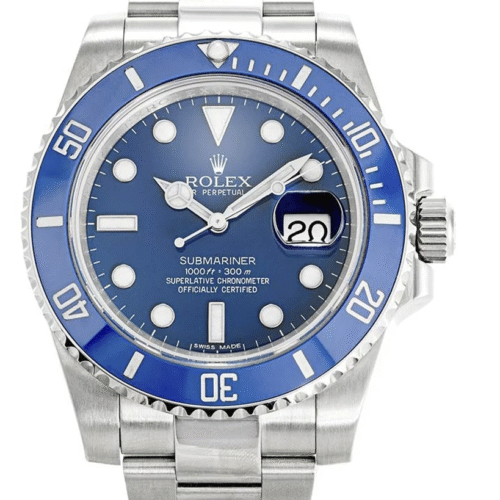
Rolex Date Submariner Smurf First Copy Watch | Ref.116619LB
Original price was: ₹12,500.00.₹9,500.00Current price is: ₹9,500.00. -
Sale!
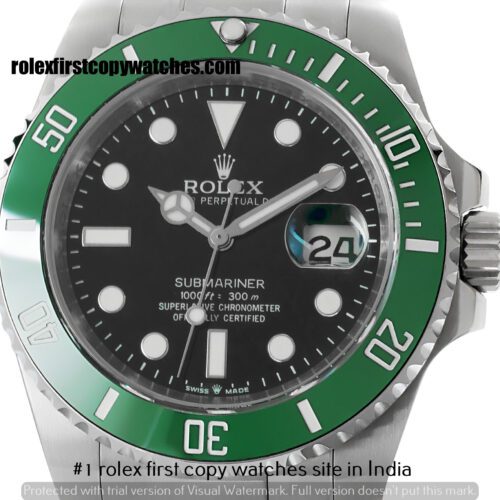
Rolex Starbucks First Copy | Rolex Submariner 126610LV Replica India
Original price was: ₹15,000.00.₹9,500.00Current price is: ₹9,500.00. -
Sale!
Rolex Submariner Black Dial First Copy Watch Bangalore | 116610LN
Original price was: ₹10,500.00.₹9,500.00Current price is: ₹9,500.00. -
Sale!
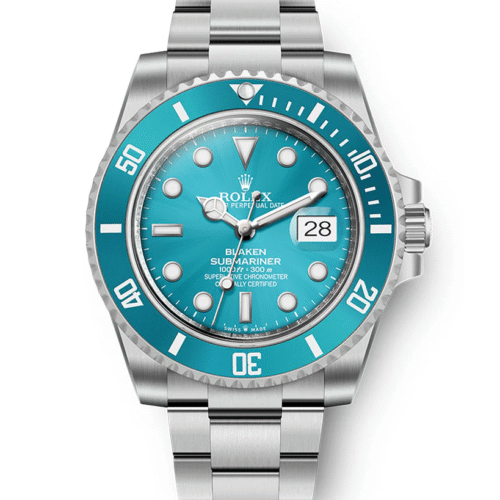
Rolex Submariner Blaken First Copy Watch Vadodara | Ref.126610LN
Original price was: ₹12,500.00.₹9,500.00Current price is: ₹9,500.00. -
Sale!
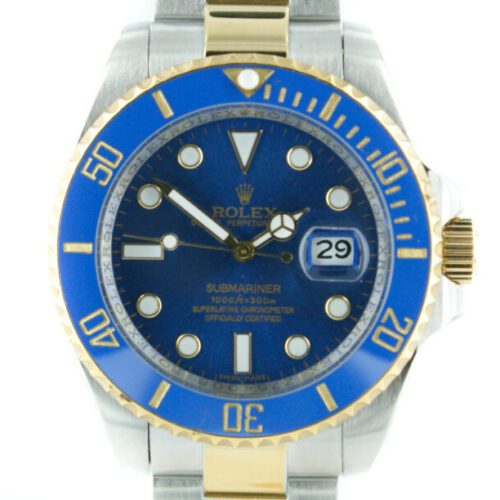
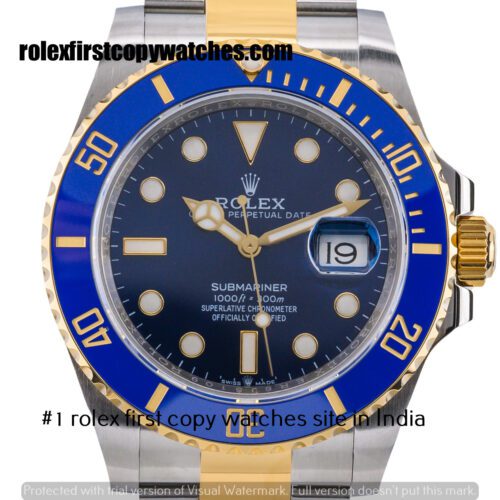
Rolex Submariner Blue Dial Two Tone First Copy Watch
Original price was: ₹12,500.00.₹9,500.00Current price is: ₹9,500.00. -
Sale!
Rolex Submariner Cookie Monster First Copy India
Original price was: ₹12,500.00.₹9,500.00Current price is: ₹9,500.00. -
Sale!
Rolex Submariner Date 126618LN First Copy India
Original price was: ₹12,000.00.₹9,500.00Current price is: ₹9,500.00. -
Sale!
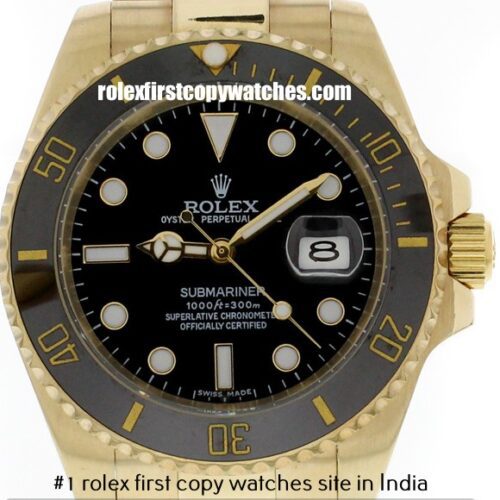
Rolex Submariner Date Full-Gold Black Dial Replica Watch Vadodara
Original price was: ₹12,000.00.₹10,000.00Current price is: ₹10,000.00. -
Sale!
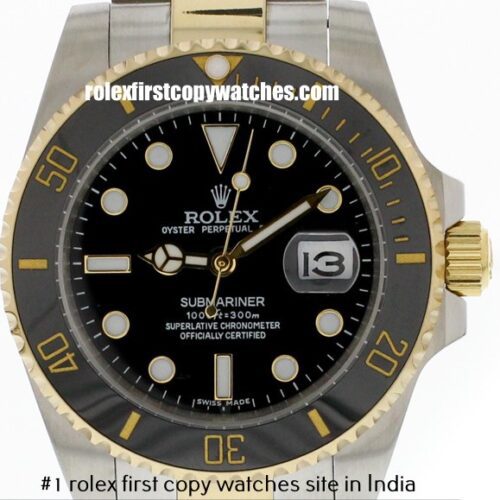
Rolex Submariner Dual-Tone Black Dial Replica Watch
Original price was: ₹11,500.00.₹9,500.00Current price is: ₹9,500.00. -
Sale!
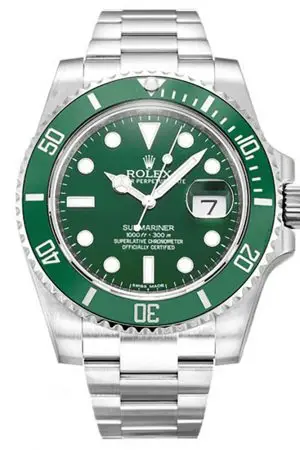
Rolex Submariner Hulk First Copy India | Ref 116610LV
Original price was: ₹12,000.00.₹9,500.00Current price is: ₹9,500.00. -
Sale!
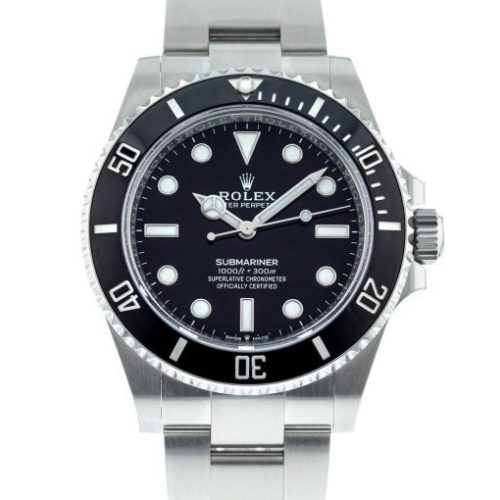
Rolex Submariner No Date First Copy Watch Price India
Original price was: ₹15,000.00.₹9,500.00Current price is: ₹9,500.00. -
Sale!
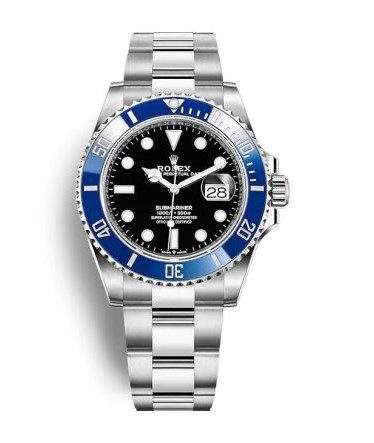
Rolex Submariner Starbucks Black Dial First Copy Watch Ahmedabad
Original price was: ₹10,000.00.₹8,000.00Current price is: ₹8,000.00. -
Sale!
Rolex Submariner Two Tone Blue Dial First Copy Watch | Ref. 116613LB
Original price was: ₹15,000.00.₹10,500.00Current price is: ₹10,500.00. -
Sale!
Rolex Submariner Yellow Gold Blue Dial First Copy Watch | Ref.116618LB
Original price was: ₹11,500.00.₹9,500.00Current price is: ₹9,500.00.




Rolex Submariner First Copy Watches
rolex submariner first copy watches of the highest quality which means same dimensions, same finishing are available at our site, visit now. The Rolex Submariner is an icon, a benchmark for dive watches since its introduction in 1953. Its enduring design and mechanical prowess have made it one of the most recognized timepieces in the world. This popularity has also spawned a vast market for Rolex submariner first copy watches, ranging from crude imitations to highly sophisticated replicas. This article provides a neutral, educational overview of the technical details found in these watches, exploring how they attempt to replicate the original’s engineering.
The Rolex Submariner is an icon, a benchmark for dive watches since its introduction in 1953. Its enduring design and mechanical prowess have made it one of the most recognized timepieces in the world. This popularity has also spawned a vast market for Rolex submariner first copy watches, ranging from crude imitations to highly sophisticated replicas. This article provides a neutral, educational overview of the technical details found in these watches, exploring how they attempt to replicate the original’s engineering.
First Copy Rolex Submariner Price In India
Before diving into the technical specifics, it’s crucial to understand the design DNA that copy watches try to emulate. The Submariner’s aesthetic is a masterclass in functional elegance: a robust Oyster case, a legible dial with luminous markers, a unidirectional rotating bezel for tracking dive times, and the signature Oyster or Jubilee bracelet. Copies focus on replicating these key visual and functional elements to varying degrees of success. The Rolex Submariner is an icon, a benchmark for dive watches since its introduction in 1953. Its enduring design and mechanical prowess have made it one of the most recognized timepieces in the world. This popularity has also spawned a vast market for Rolex submariner first copy watches, ranging from crude imitations to highly sophisticated replicas. This article provides a neutral, educational overview of the technical details found in these watches, exploring how they attempt to replicate the original’s engineering.
Best Website To Buy First Copy Rolex Submariner In India
rolexfirstcopywatches.com is the number one website in India to buy first copy rolex submariner watch. You get cash on delivery and 2 years guarantee on your order. High-quality replicas, often referred to as “super clones,” are complex mechanical objects. Understanding their components reveals the extent of modern replication technology and highlights the subtle (and sometimes not-so-subtle) differences from an authentic model.
Case and Bezel Engineering
The case is a Rolex submariner first copy watch primary defense. A genuine Submariner uses a solid block of 904L stainless steel, an alloy known for its superior corrosion resistance and ability to hold a high polish.
- Materials: Most replicas use 316L stainless steel, the industry standard for quality watches. While durable, it lacks the specific luster and anti-corrosive properties of 904L. Top-tier copies may use 904L steel to more closely match the original’s weight, feel, and finish.
- Bezel Mechanism: The Submariner’s unidirectional bezel features a 120-click mechanism that is crisp and precise. Rolex submariner first copy watches attempt to mimic this feel, but the action can sometimes feel gritty, loose, or have noticeable “play.”
- Bezel Insert: Modern Submariners use a Cerachrom (ceramic) bezel insert with platinum or gold-coated numerals. Replicas often use real ceramic inserts, but the color fidelity and the quality of the numeral coatings can vary. Cheaper copies may use aluminum inserts, which are prone to scratching and fading.
Crystal and Dial Components
The dial is the face of the watch, and it’s where many replicas reveal their origins upon close inspection.
- Crystal: An authentic Submariner is fitted with a scratch-resistant sapphire crystal. High-end Rolex submariner first copy watches also use sapphire, often with an anti-reflective coating applied to the cyclops lens over the date. A key tell is the cyclops magnification; genuine Rolex magnification is precisely 2.5x, a detail many copies fail to replicate perfectly. Lower-tier copies may use mineral glass, which is far more susceptible to scratches.
- Dial Details: Text printing, marker application, and lume quality are critical areas. On genuine models, the text is flawlessly crisp. Replicas may have slightly thicker or fuzzier fonts. The applied indices should be perfectly aligned and filled with high-quality luminescent material.
- Lume: Rolex uses its proprietary Chromalight lume, which glows a distinct blue. All our Rolex submariner first copy watches use Super-LumiNova, which can have a similar blue or green hue, but the brightness, duration, and even color consistency may not match Rolex’s standard
Inside the Case: Movement Architecture and Accuracy
The movement, or calibre, is the heart of the watch. This is where the most significant technical differences lie.
- Clone Movements: The most advanced replicas use “rolex super clone” movements, such as the VS3235, which are designed to cosmetically and functionally imitate the genuine Rolex Calibre 3235. They replicate the automatic winding bridge, purple reversing wheels, and even the blue Parachrom-style hairspring. While visually convincing, their long-term reliability, isochronism, and serviceability are not comparable to a genuine Rolex calibre.
- Workhorse Movements: Many mid-tier copies and “Submariner homage” watches use reliable, mass-produced movements from Japanese or Swiss manufacturers. The valjoux and Miyota 9015 are popular choices. These movements are known for their robustness and ease of service but do not look like a Rolex movement and often operate at a different beat rate (21,600 vph vs. Rolex’s 28,800 vph), resulting in a less smooth sweep of the seconds hand.
Rolex Submariner Replica Watches : Materials Used
The “feel” of a watch comes from its finishing. Rolex is renowned for its immaculate brushing and polishing.
- Finishing Quality: High-end rolex first copy watches can achieve a finish that is impressive at first glance. However, under close examination, the edges may be less sharp, and the transition between brushed and polished surfaces may not be as clean as on a genuine piece.
- Bracelet and Clasp: The Oyster bracelet’s solid feel and the Glidelock clasp’s micro-adjustment system are engineering highlights. rolex first copy watches often have functional Glidelock-style clasps, but the mechanism can be less smooth. The bracelet links may have sharper edges or a looser tolerance, leading to rattling.
- Common QC Issues: Even in top-tier copies, quality control is inconsistent. Common problems include dust under the crystal, misaligned bezel markers or rehaut (the engraved inner ring), faulty date wheels, or stripped crown tube threads.
Rolex Submariner First Copy Vs Original
Spotting a high-end replica requires a trained eye. Key areas to inspect include:
- Cyclops Magnification: It should be exactly 2.5x and perfectly centered.
- Rehaut Engraving: The “ROLEX” engraving should be crisp and perfectly aligned with the minute markers.
- Lume Application: The glow should be bright, even, and a consistent blue hue.
- Hand Stack: On modern GMT-Master II models, which share a similar case, the hand stack order is a common tell. For the Rolex submariner first copy, focus on the finish of the hands themselves.
- Weight and Feel: An authentic Submariner has a distinct, solid heft that comes from its 904L steel and dense movement.
Rolex Submariner copy watches offer a fascinating, if problematic, look into the world of mechanical replication. From the choice of steel and ceramic to the intricate cloning of proprietary movements, the technical sophistication of top-tier replicas is undeniable. However, these Rolex submariner first copy watches consistently prove things like long-term reliability, quality control, water resistance assurance, and finishing precision. This technical exploration serves not as a buyer’s guide, but as an educational tool for enthusiasts to better appreciate the immense engineering and craftsmanship that define an authentic Rolex Submariner.
Frequently Asked Questions (FAQ)
- What is the main difference between your rolex submariner and other website rolex submariner copies?
Rolex submariner first copy watches available at our store are highest level of replication ever produced in the first copy watches industry. - Are “clone” movements as accurate as real Rolex movements?
A new, well-regulated clone movement can be surprisingly accurate, sometimes performing within COSC specifications (-4/+6 seconds per day). However, they lack the stability, shock resistance, and long-term isochronism of a genuine Rolex calibre, and their accuracy often degrades more quickly over time. - Why is the cyclops magnification so hard for replicas to get right?
Achieving a precise 2.5x magnification without optical distortion requires a perfectly ground lens bonded with a specific anti-reflective coating. This process is a signature Rolex detail, and replicating it exactly requires a level of manufacturing precision that most replica factories cannot or will not invest in. - Can a first copy rolex Submariner really be used for diving?
It is extremely risky. While a Rolex submariner first copy may have gaskets and a screw-down crown, its water resistance is not tested or guaranteed. The slightest imperfection in the case, crystal seal, or crown tube can lead to a flood, destroying the movement. Only watches that have been professionally pressure-tested should be trusted for diving. - Will you provide rolex box with my order ?
Yes, if you want a rolex box just drop us a message on whatsapp and we will ship it with a rolex box at a nominal fee.